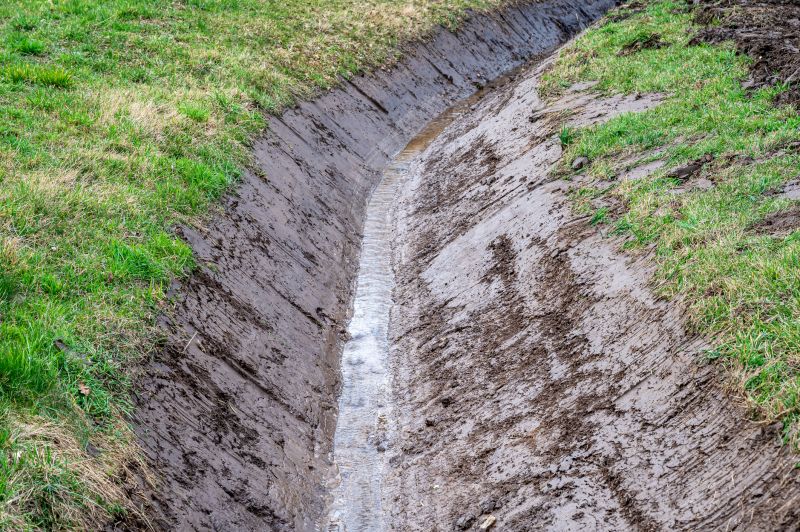
Ditch Installation in Houston, TX
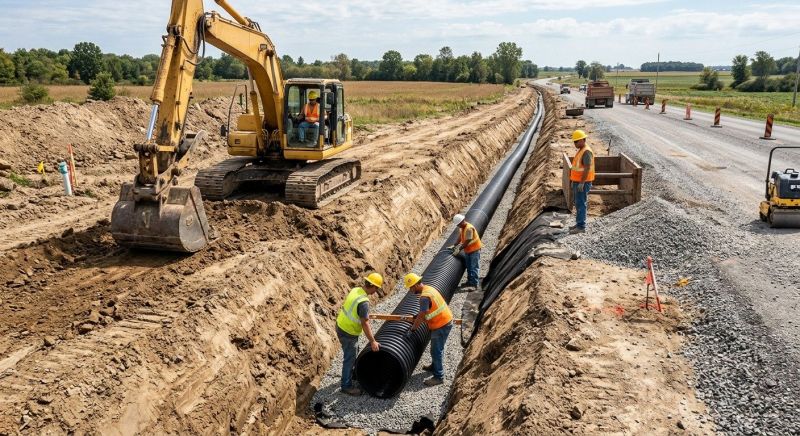
Ditch installation services involve creating channels or trenches in a property to manage water flow, drainage, or utility lines. These projects often include installing drainage ditches to prevent water accumulation, underground pipes for irrigation or plumbing, or French drains to improve soil drainage. Homeowners typically seek this service when addressing issues like flooding, poor yard drainage, or planning for new landscaping projects that require proper water management systems.
Before requesting ditch installation, property owners should consider the location and purpose of the ditch, the type of soil and terrain, and any existing underground utilities. Understanding the scope of the project, including the size and depth of the trenches, can help ensure the installation meets specific drainage or utility needs. Proper planning also involves knowing local regulations or permits that might be required for excavation work.
Many property owners in Houston, TX look into Ditch Installation for repairs, replacements, upgrades, and appearance-related improvements.
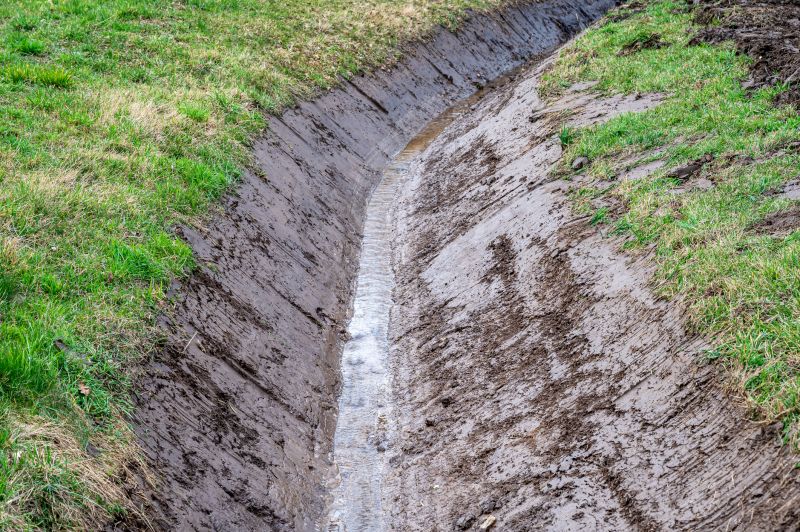
Types Of Ditches
Various ditch styles are suited for drainage, irrigation, and property grading projects.
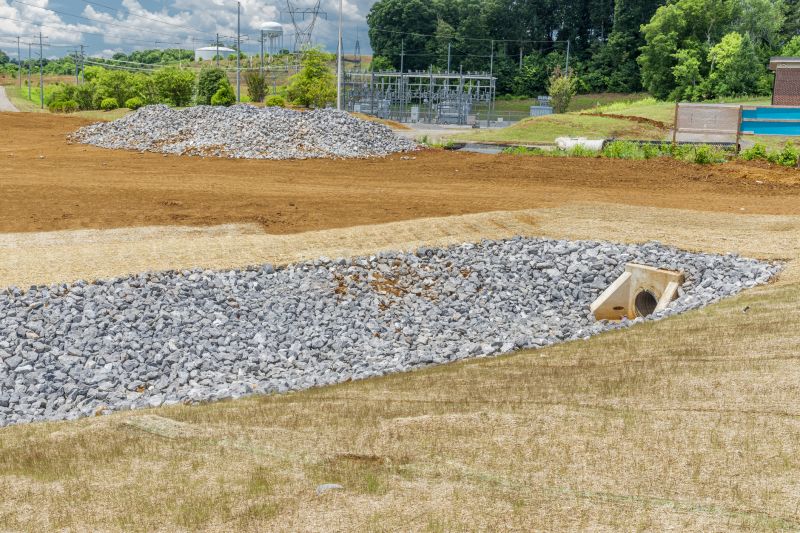
Common Applications
Ditch installation helps manage water flow around homes and commercial properties in houston, tx.
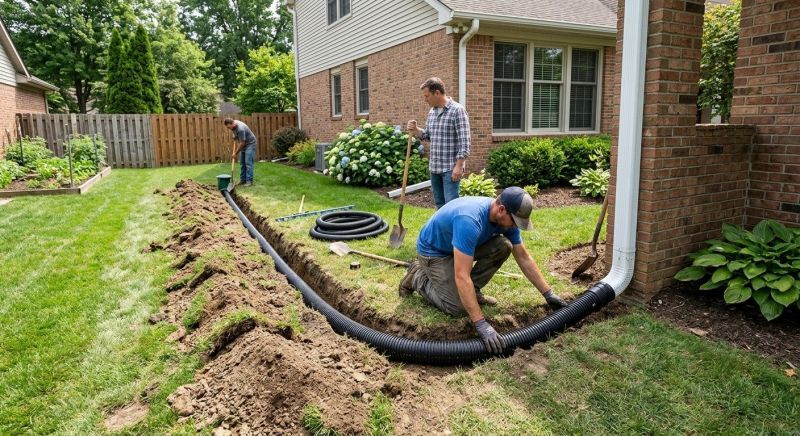
Installation Considerations
Proper planning and excavation are essential for effective ditch systems that prevent erosion and flooding.
Ditch Installation in Houston, TX

Ditch installation services involve creating channels or trenches in a property to manage water flow, drainage, or utility lines. These projects often include installing drainage ditches to prevent water accumulation, underground pipes for irrigation or plumbing, or French drains to improve soil drainage. Homeowners typically seek this service when addressing issues like flooding, poor yard drainage, or planning for new landscaping projects that require proper water management systems.
Before requesting ditch installation, property owners should consider the location and purpose of the ditch, the type of soil and terrain, and any existing underground utilities. Understanding the scope of the project, including the size and depth of the trenches, can help ensure the installation meets specific drainage or utility needs. Proper planning also involves knowing local regulations or permits that might be required for excavation work.
Many property owners in Houston, TX look into Ditch Installation for repairs, replacements, upgrades, and appearance-related improvements.
Common Ditch Installation Jobs
Drainage System Installation - Proper ditches help channel water away from foundations and landscaping.
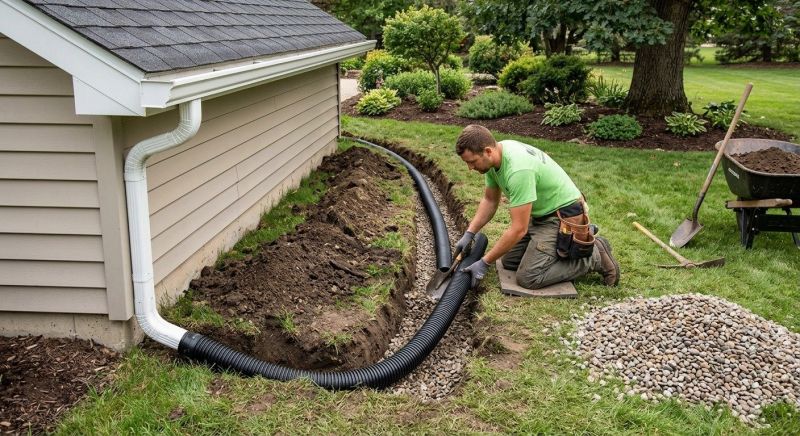
French Drain Installation - These trenches with gravel and pipe prevent basement flooding and surface water pooling.
Swale Construction - Sloped ditches guide rainwater across property lines to reduce erosion and pooling.
Dry Creek Bed Installation - Decorative ditches manage runoff while enhancing landscape aesthetics.
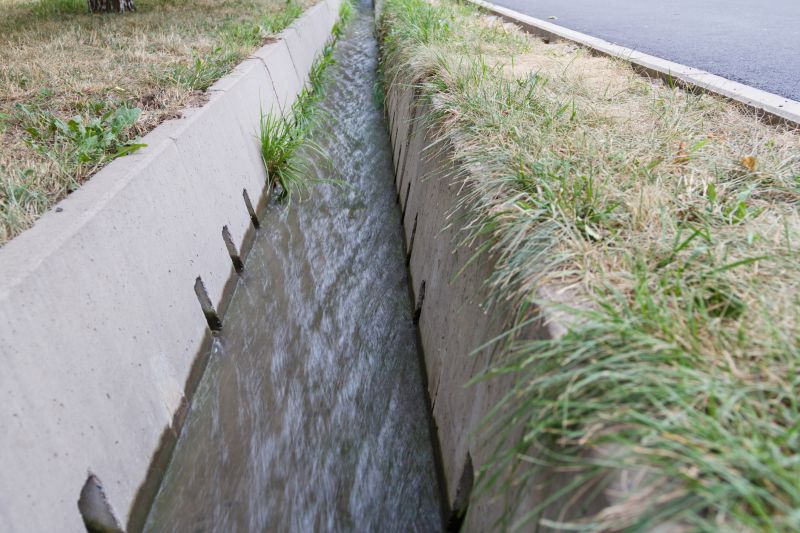
Channel Ditch Installation - Wide, shallow channels direct water flow for effective drainage in yards and driveways.
Custom Ditch Solutions - Tailored ditch designs address specific property drainage challenges effectively.
Ditch Installation Questions
What is the purpose of a ditch installation? Ditch installation helps manage water flow, prevent flooding, and improve drainage around a property.
What types of projects typically require a ditch? Ditches are often used for yard drainage, irrigation, or redirecting stormwater runoff.
How deep should a drain ditch be? The depth depends on the property’s drainage needs and local regulations, but generally, it should be deep enough to effectively channel water away.
What materials are used for ditch construction? Common materials include compacted soil, gravel, or concrete, chosen based on the project requirements and soil conditions.
Request Ditch Installation in Houston, TX
Use the quote form on this page to share the basics of your project and request more information for the type of work you need.